Most forklift sourcing mistakes happen before the order: capacity guessed instead of measured, specs written vaguely, and battery decisions made at the last minute. Each mistake is cheap to fix on paper and expensive to fix after the container arrives.
Mistake 1: Guessing the capacity
Ordering capacity from memory of what the old fleet lifted ignores pallet changes and new product lines. Weigh the actual heaviest pallet, measure its depth, and add the 15 to 20 percent safety margin before comparing quotes.
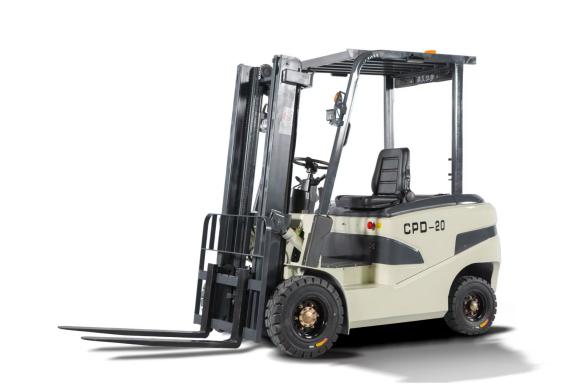
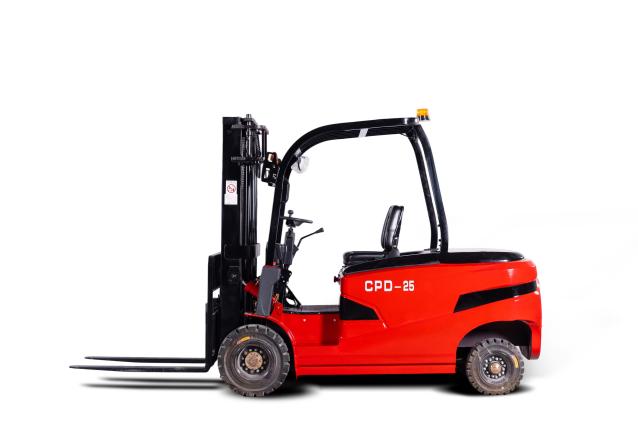
A 2-ton electric forklift covers most standard pallet work; heavier materials shift you to 2.5-ton or 3-ton classes. The spec sheet is the cheapest insurance you can buy.
Mistake 2: Vague specifications
"Medium size" and "normal use" produce incomparable quotes. A good spec sheet lists payload in kg, pallet dimensions, aisle width, lifting height, shift hours and floor type, and every supplier answers the same sheet.
When suppliers answer with different mast heights and wheelbases, the sheet makes the difference visible. The one that asked two clarifying questions before quoting usually understood the job better.
Mistake 3: Ignoring the load center
Two trucks at the same tonnage can carry different loads if the pallet depth differs. Compare capacity at the same load center and ask for the capacity chart at your lifting height, not just the headline number.
Mistake 4: Deciding the battery last
Choosing the battery after the truck spec locks in the wrong charging plan. Decide lithium or lead-acid first, because it changes the charging area, the runtime plan and often the truck model itself.
Gangchi offers models such as the 5-ton cast iron counterweight model with a 500 AH lithium battery, where the battery choice is part of the machine design rather than an afterthought.
Mistake 5: Skipping the sample and inspection
A bulk order without a sample or a pre-shipment inspection moves all the quality risk to the arrival side. Order a sample when the order size allows, and run an AQL-based inspection before loading for container quantities.
| Mistake | Cost when it happens | Prevention |
|---|---|---|
| Guessed capacity | Overloaded truck, tip risk, replacement | Weigh loads, measure pallets |
| Vague spec | Incomparable quotes, wrong machine | One detailed spec sheet |
| Ignored load center | Lower real capacity than expected | Compare at same load center |
| Battery decided late | Wrong charging plan, runtime gaps | Decide battery first |
| No inspection | Defects discovered at arrival | Sample + pre-shipment inspection |
Frequently asked questions
What is the most common forklift sourcing mistake?
Buying capacity without measuring the actual loads and pallet dimensions. Everything else flows from that first number.
How detailed should my spec sheet be?
Include payload, pallet size, aisle width, lifting height, shift hours, floor type and attachments. The more complete the sheet, the more comparable the quotes.
Is a sample order always worth it?
For any order where you will resell or deploy many units, yes. The sample reveals spec drift and spare-part reality before the batch is committed.
Can I change the battery type after ordering?
It depends on the model's battery compartment and charger design. Confirm compatibility before changing, because it is not always a simple swap.
What should I do if the arrival unit does not match the spec?
Use the inspection report and the contract terms. A spec agreed in writing is enforceable; a spec agreed in chat is a negotiation.
Run your sourcing plan past the inquiry team with a filled spec sheet, and let the quotation show you how the supplier handles questions about load center, battery and inspection before you decide.