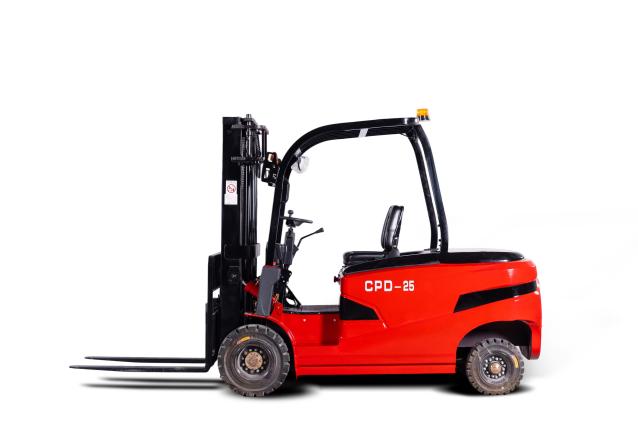
Electric forklift maintenance is simpler than diesel, but it still follows a routine: daily operator checks, scheduled service on brakes and hydraulics, and disciplined battery care. Distributors that standardize the routine keep warranty claims low and resale value high.
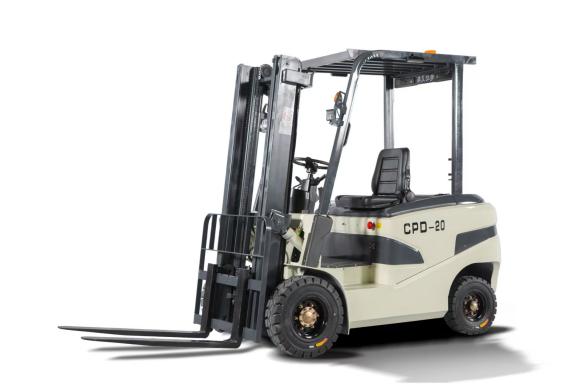
Daily checks that prevent most failures
Operator checks should cover the tire condition and pressure, hydraulic leaks under the mast, brake and steering response, the horn and warning lights, and the battery charge level. A one-page checklist takes five minutes and catches problems before they become claims.
For dealers, the checklist doubles as a delivery document: a machine delivered with a recorded pre-delivery check has a cleaner service history and a stronger warranty position.
Battery care is the biggest cost lever
Lead-acid packs need watering, equalizing charges and vented charging areas. Lithium packs need correct charger matching and, in cold climates, attention to low-temperature charging limits.
If your fleet mixes battery types, keep the chargers matched to the pack and train operators on the differences. A mismatched charger damages batteries faster than almost any other maintenance error.
Scheduled service intervals
Follow the service schedule from the manufacturer for the model: brake inspection, hydraulic fluid and seals, mast rollers and chains, and electrical connections. Brushless AC drives remove the motor-brush service that older electric trucks required.
Keep the service log per serial number. When the machine moves to a second owner, a documented log supports the resale price and reduces the buyer's inspection discount.
Spare parts planning for dealers
Stock the wear items your customers will need most: tires, brake pads, hydraulic seals, filters and mast rollers. Confirm the factory's spare-part lead times and keep the model-specific parts list with each delivery.
Ask the factory for the recommended parts kit for each model you sell, so the stocking decision is based on the machine design rather than guesswork.
| Interval | Typical checks |
|---|---|
| Daily | Tires, leaks, controls, battery level |
| Weekly | Charging routine, water (lead-acid) |
| Service schedule | Brakes, hydraulics, mast, electrical |
| Per delivery | Pre-delivery inspection, service log |
Frequently asked questions
How often should an electric forklift be serviced?
Follow the manufacturer's schedule for the model, usually based on operating hours rather than calendar time. Keep the log per machine so intervals stay accurate.
Do brushless AC motors need service?
Brushless AC drives remove the brush replacement and related service of older motors. The routine focuses on brakes, hydraulics, tires and electrical connections.
What is the most common battery mistake?
Mismatching the charger to the battery, and skipping the watering routine on lead-acid packs. Both shorten battery life and cost more than the maintenance they avoid.
What spare parts should a forklift dealer stock?
Wear items: tires, brake parts, hydraulic seals, filters and mast rollers. Ask the factory for a recommended parts kit for each model you distribute.
Does a service log increase resale value?
Yes. A documented service history reduces the buyer's uncertainty and supports a higher resale price, especially for commercial fleets.
When you take on a forklift line, ask the inquiry team for the service schedule, recommended parts kit and spare-part lead times for the models you plan to sell, so your service program is ready before the first unit lands.