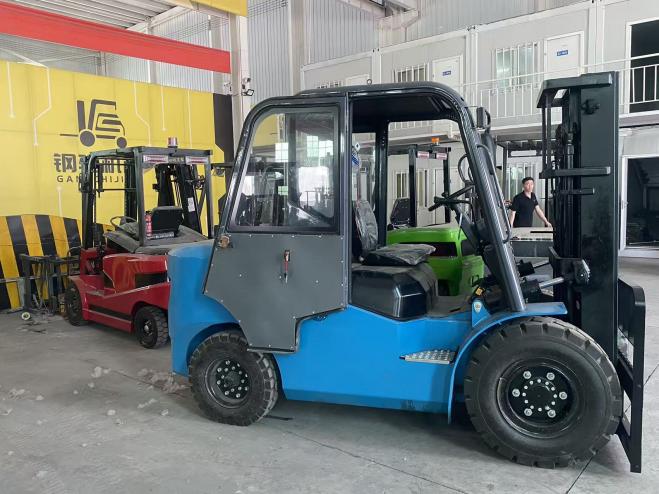
An OEM program builds your machine to your specification, usually with your branding on the nameplate and documents; an ODM program uses the factory's proven design and adapts it for your market. Both start with a written specification and move through samples before production, so the process is more like engineering than like ordering stock.
What OEM and ODM mean on forklifts
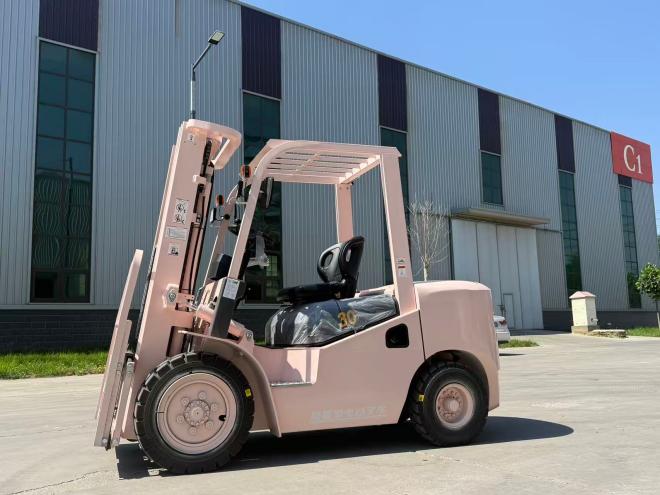
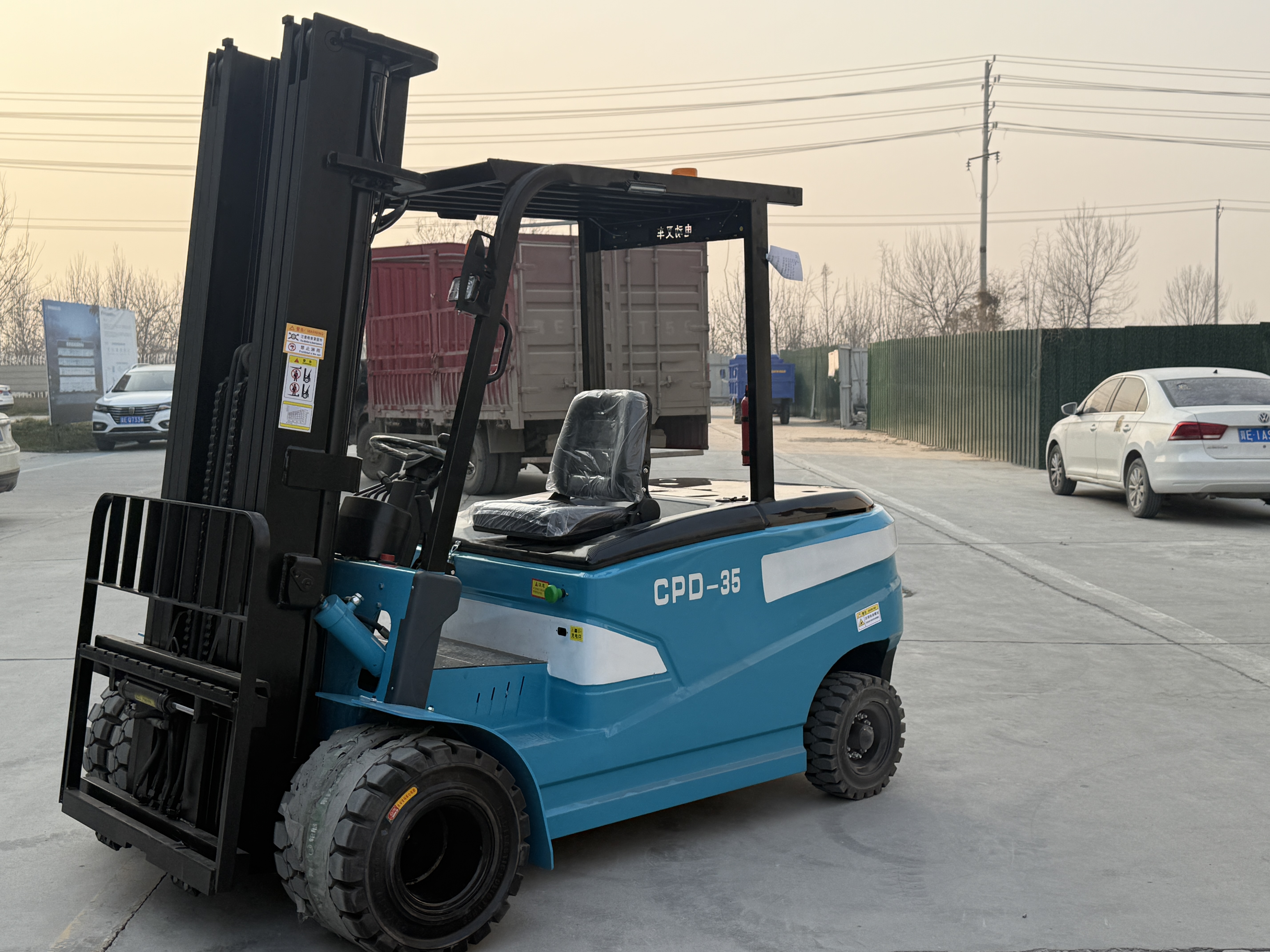
OEM programs take your specification and produce machines to it, with your brand on the nameplate, manual and packaging. ODM programs start from a platform such as the Gangchi electric forklift range and adjust details: capacity options, lifting height, battery, color and labeling.
For brand owners and distributors, ODM is usually the faster path because the base machine is already proven. OEM goes further when the specification differs from the standard line.
The customization surface on an electric forklift
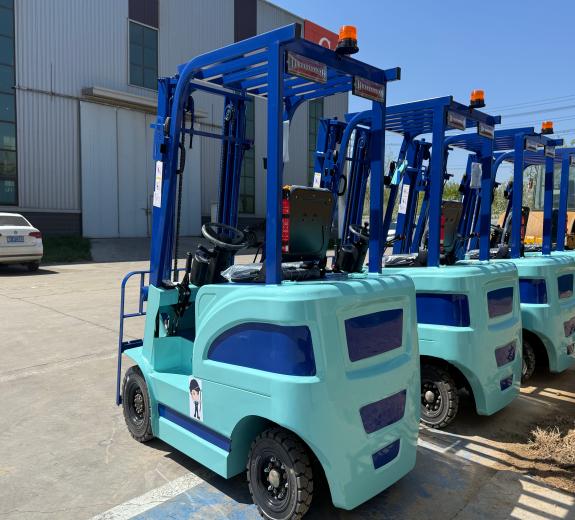
- Body dimensions can be adjusted within the platform, subject to engineering limits.
- Lifting height is configurable beyond the standard 3-meter mast.
- Battery options range from standard packs to larger lithium configurations.
- Branding covers the nameplate, decals, manual language and packaging.
- Documentation can be aligned to your market's language and format.
Each change moves the machine off the standard build, which is why the MOQ and lead time respond to the configuration, not only to the quantity.
The program steps
- Specification sheet. Capacity, dimensions, lifting height, battery, branding and documents.
- Feasibility and quote. The factory confirms what changes are possible and quotes the program.
- Sample or prototype. One unit validates the configuration before the batch.
- Approval. The sample sign-off freezes the spec for production.
- Production and inspection. The batch is built and inspected against the approved spec.
Gangchi supports OEM and ODM programs for electric forklifts, and the sample stage is a standard part of the flow for customized configurations.
Documents and ownership
Agree in writing who owns the customization drawings, what documentation is delivered with the machines, and how spare parts are handled after the program ends. These terms matter more than the machine itself when you resell under your brand.
Frequently asked questions
What is the difference between OEM and ODM on forklifts?
OEM builds to your specification; ODM adapts the factory's proven platform for your market. ODM is usually faster and carries less design risk.
What can be customized on an electric forklift?
Body dimensions, lifting height, battery configuration, color, nameplate, manual language and packaging are the common points. Confirm each change with the factory during feasibility.
Is a sample required for private-label programs?
For any configuration beyond the standard build, a sample or prototype is the reliable way to freeze the spec before production. Confirm the sample terms in the program quote.
Does private labeling change the MOQ?
Usually yes, because labels, manuals and packaging are set up for the batch. The exact number depends on the configuration, so confirm it in writing.
Who owns the customization drawings?
Ownership is a contract term. Decide and document it before the program starts, along with the spare-parts arrangement after the program ends.
If you plan to sell electric forklifts under your own brand, start with a specification sheet and a request for a program quote: send your target capacity, customization list and market documentation needs to the inquiry team and ask about the sample step and program MOQ.