The mast is the part of a forklift that decides whether the truck fits your racks and your doorways. Mast options come down to three practical numbers: total lifting height, lowered height and free lift. Once you know your top beam height and your door clearance, the right mast type is a short checklist instead of a gamble.
Standard mast: the one-stage baseline
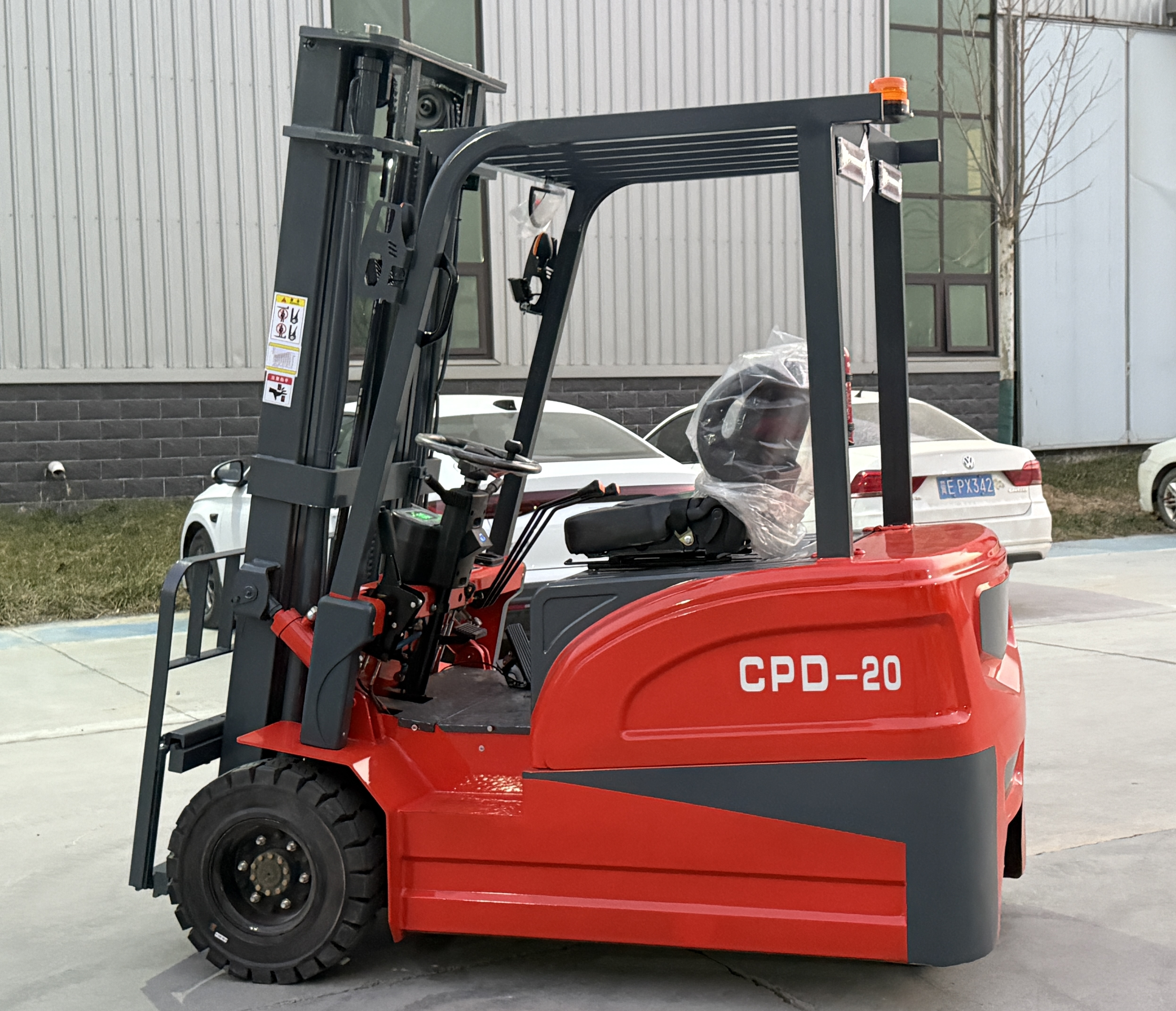
A standard mast has a single lift stage and gives the simplest, most rigid structure. Gangchi's standard configuration across the lineup is a 3-meter lifting height, which covers pallet racks up to roughly 2.4 meters of usable beam height with clearance for the fork carriage and load.
Standard masts suit operations that stack to one consistent height and rarely need to pass under low doorways with a raised load. They are also the least expensive option per unit, which matters when you are equipping a fleet of several trucks.
Duplex and triplex masts: more height, same footprint
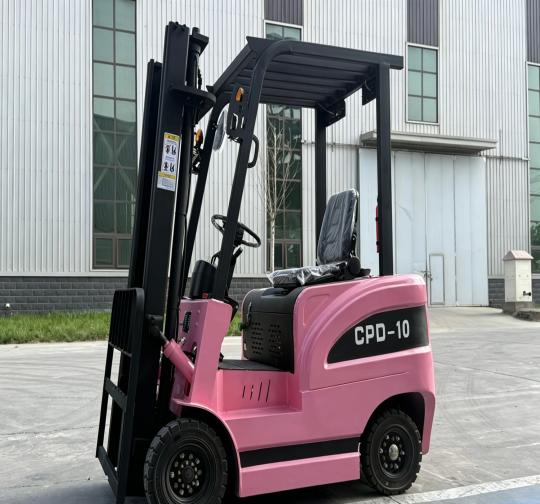
A duplex mast has two lift stages and reaches higher than a standard mast on the same truck base. A triplex mast adds a third stage, which lets the truck reach the highest rack levels while keeping the lowered height low enough to enter a container or a mezzanine doorway.
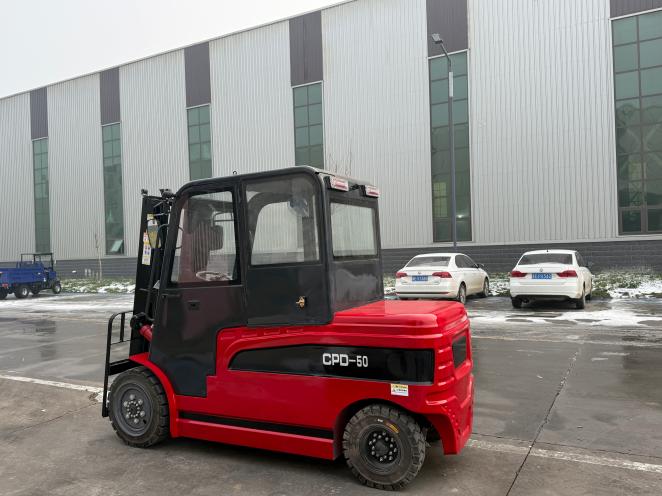
The trade-off is that more stages add weight, complexity and cost, and reduce the lifting capacity slightly at full height. If your racks top out at 3 meters, a standard mast is usually enough; if the top beam sits above 4 meters, a triplex mast is the common answer.
Free lift: lifting without raising the mast
Free lift is the distance the forks can rise before the mast stages themselves start extending. More free lift means a driver can raise a load while the mast stays low, which matters for double-stacking inside trailers and for passing under door headers with the load already lifted.
When a supplier lists "full free lift," it usually refers to the fork carriage reaching the top of the inner stage before the outer mast moves. State whether you double-stack inside containers or drive under low headers with a raised load, so the supplier can confirm the free lift needed for your operation.
| Mast type | Stages | Best for | Trade-off |
|---|---|---|---|
| Standard | 1 | Uniform racking up to about 3 m | Limited height on the same truck |
| Duplex | 2 | Higher racking, moderate clearances | More weight and cost |
| Triplex | 3 | High racks plus low doorways and containers | Highest cost, slight capacity loss at full height |
Measure the doorway, then the rack
Two measurements decide the mast: the height of the top beam you need to reach, and the height of every doorway the truck must pass through with the load raised. Write both down in millimeters before contacting a supplier.
Gangchi standard models ship with a 3-meter mast, and lifting height and body dimensions can be adjusted for your rack layout. Confirm the final mast height and the lowered height against your top beam and door headers before ordering, and ask the supplier to state the free lift in the spec sheet.
Frequently asked questions
What is the difference between lifting height and free lift?
Lifting height is the total height the forks can reach. Free lift is how far the forks rise before the mast stages extend, which controls whether you can lift a load inside a container or under a low header.
Is a standard 3-meter mast enough for most warehouses?
For racking with a top beam around 2.4 meters plus the load and fork carriage, a 3-meter mast provides the usual clearance. For beams above that, ask about duplex or triplex options.
Does a triplex mast reduce capacity?
More mast stages add weight, and manufacturers rate capacity at defined heights, so the rated load can be slightly lower at full extension. Confirm the capacity at your actual lifting height with the supplier.
Can the mast height be customized?
Yes. Gangchi adjusts lifting height and body dimensions to your rack layout, with 3 meters as the standard configuration. Confirm the exact mast height, lowered height and free lift against your site measurements.
How do I know if I need full free lift?
If you double-stack pallets inside trailers, or drive under door headers with the load raised, you need enough free lift to raise the load without extending the mast. Tell the supplier your loading pattern and let them confirm the required value.
Before you order, measure the top beam, every doorway and the container opening, and send those numbers with your payload through the inquiry form. Ask the supplier to confirm mast height, lowered height and free lift in writing, and compare those three numbers, not just the price.