
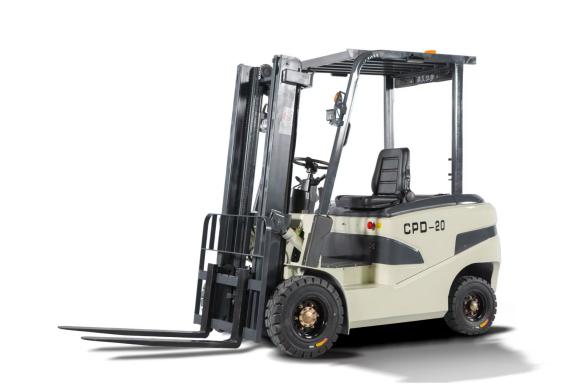
A forklift ships with the mast lowered, the forks removed or blocked, and the unit braced inside the container so movement during transit cannot damage the hydraulics or paintwork. Plan the packaging, the container loading and the arrival inspection before the production run finishes.
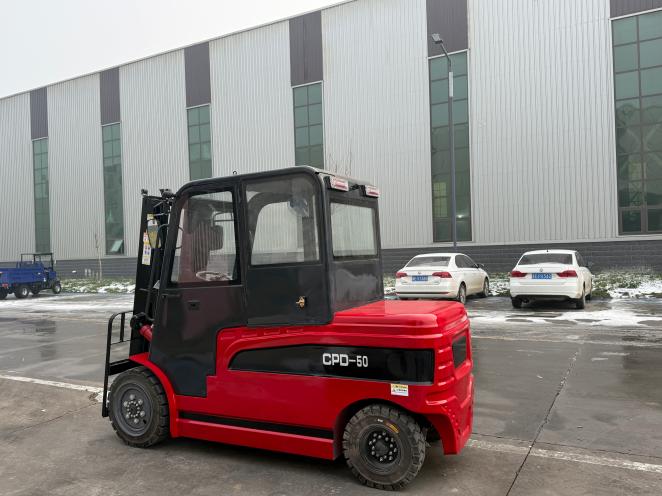
How forklifts are packed
Standard export packaging protects the machine against vibration and moisture during ocean transit. Expect the mast lowered, moving parts secured, and the unit wrapped with protective film before container loading.
Ask the supplier to confirm the packaging method in writing: film wrap, crate or a combination, plus any desiccant for humid routes. The packaging spec belongs in the purchase order, not in a phone call.
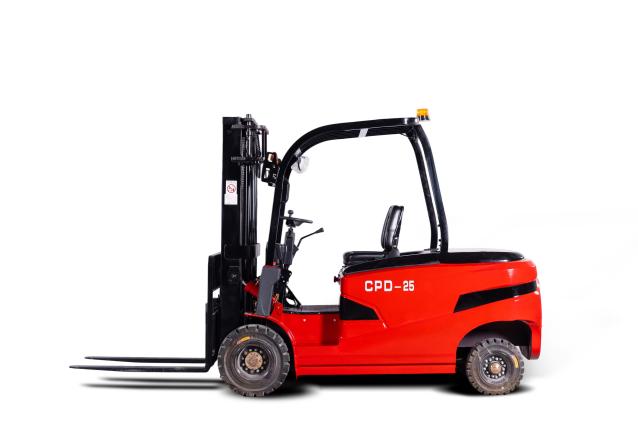
Container loading and quantity per container
The number of forklifts per container depends on the model size and the container type. Smaller trucks load more per container; a 5-ton unit takes significant floor space with the mast lowered.
Ask for the container plan before ordering so you can match your quantity to container count and avoid splitting a batch across containers unnecessarily.
| Item | Check |
|---|---|
| Packaging spec | Film wrap, crating, desiccant |
| Container plan | Units per container, bracing method |
| Documents | Packing list, invoice, COO, bill of lading |
| Arrival check | Damage photos, parts inventory, test run |
Documentation for the shipment
Ocean freight needs a commercial invoice, packing list and bill of lading at minimum. Depending on the destination and the buyer's arrangement, a certificate of origin and other documents may also be required, and import duties vary by HS code and trade program.
Confirm the documentation list with your freight forwarder for your specific port and shipping terms, rather than assuming the supplier's standard set covers your clearance.
Arrival inspection routine
Photograph the container before opening, then each unit as it is unloaded. Check for transit damage, confirm serial numbers against the packing list, and inventory the accessories and spare parts before the units go into service.
Run a functional test on arrival: charge the battery, cycle the mast, and check hydraulics for leaks. Report any damage to the forwarder and supplier within the claim window, which is usually short.
Frequently asked questions
How many forklifts fit in a 40-foot container?
It depends on the model. A compact electric forklift may fit more units than a 5-ton model. Ask the supplier for a container plan based on your exact model.
Do forklifts ship with the battery installed?
Battery arrangements vary. Lithium packs are often shipped installed; lead-acid may ship separately for transport rules. Confirm the battery shipping arrangement for your model.
Is a forklift too heavy for a standard container?
Within the container's payload limit, forklifts ship in standard containers. Confirm the unit weight and the container payload with your forwarder.
Who is responsible if the forklift arrives damaged?
It depends on the shipping terms and the damage evidence. Document the damage at arrival, notify the forwarder and supplier within the claim window, and follow the agreed procedure in the contract.
Do I need special export documents from the factory?
Exporters provide the commercial invoice, packing list and bill of lading data. Your forwarder will confirm whether a certificate of origin or other documents are needed for your destination.
Before placing the order, ask the inquiry team for the container plan, packaging spec and shipping documents for your quantity and destination port, so the freight plan is settled at the same time as the machine spec.