Forklift compliance in the US has three layers: the machine's design and labeling standards, the import documentation, and the facility rules where the truck operates. None of these can be confirmed by the supplier alone, so verify each layer with the relevant authority and your own team before the order.
Design and labeling standards
Forklifts sold and used in the US commonly reference ANSI/ITSDF B56.1, the safety standard for low-lift and high-lift trucks. OSHA's powered industrial truck rules govern operator training and workplace use. These apply to the buyer's facility, so the machine design and the workplace rules are separate questions.
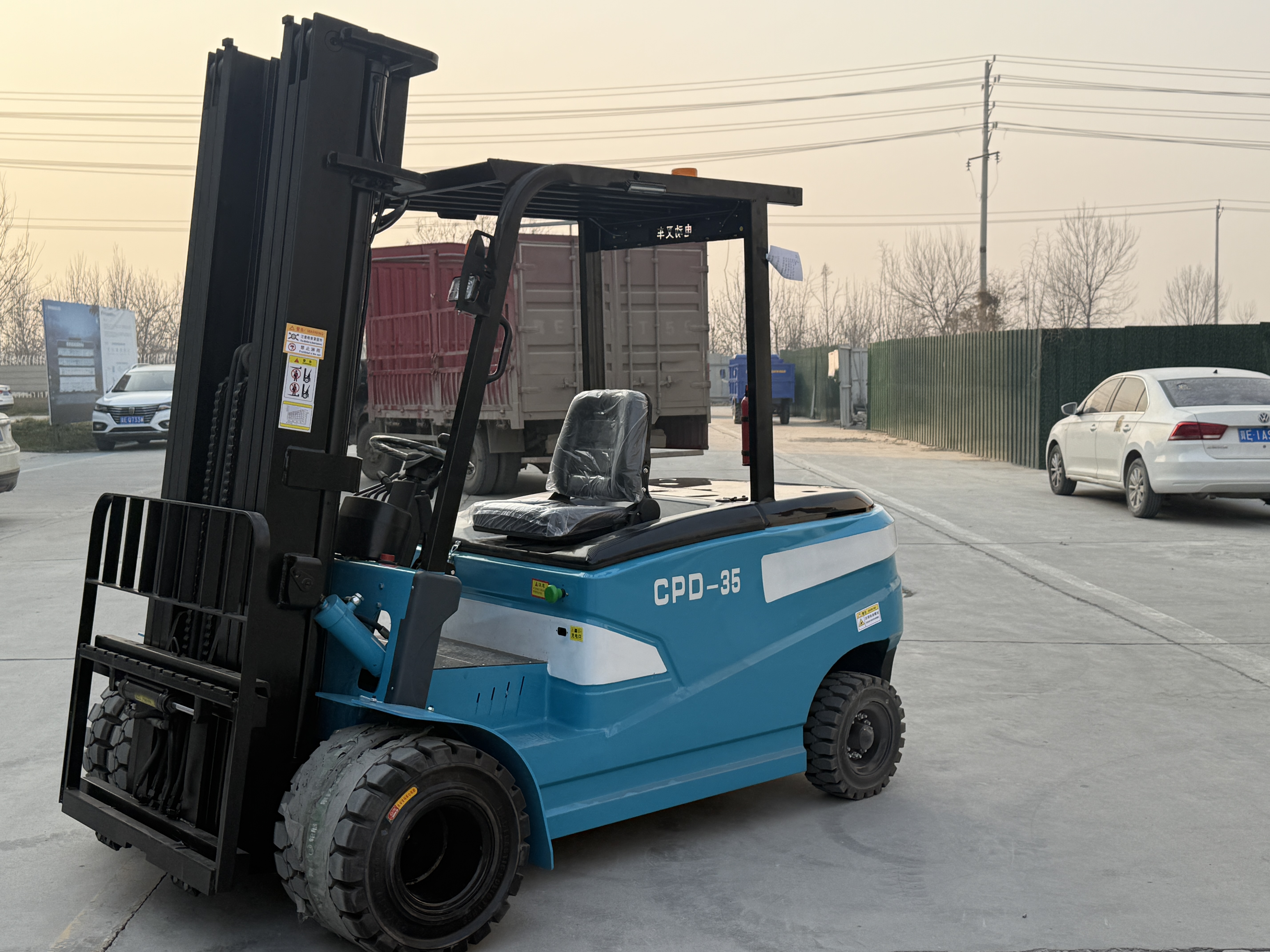
Ask the supplier which standards the machine is designed and labeled to, and request the supporting documents. Confirm the labels are in English and include the rated capacity, load center, serial number and manufacturer data.
Import documentation
Customs clearance needs a commercial invoice, packing list and bill of lading, with the HS code for electric forklifts applied correctly. Duty rates and any trade program eligibility depend on the classification and origin, so confirm the code and origin statement with your customs broker.
Battery shipments have their own rules. Lithium batteries travel under specific transport regulations, and the documentation must match the battery type installed in the truck. Confirm the battery shipping documentation with the supplier and forwarder.
Facility and operator rules
Operator training, daily inspection checklists and charging-area rules are set by the workplace, usually following OSHA requirements. A compliant machine in an unprepared facility still fails an inspection, so budget for training and procedure updates when the fleet changes drivetrain.
Local fire codes and insurance requirements may add rules about charging areas and battery storage. Confirm these with your local authority having jurisdiction rather than relying on general advice.
How to handle the unknown
Where a certificate or standard does not exist for your configuration, ask the supplier to state the facts in writing. Do not accept vague claims about compliance; request the document name, number and issuing body, then verify it independently where possible.
For standards and rules that change, check the current version from the issuing authority before finalizing your requirements. Requirements can be confirmed with the supplier based on the final specification and your facility plan.
| Layer | What to verify | Who confirms |
|---|---|---|
| Machine design | B56.1 alignment, labels, capacity plate | Supplier documents |
| Import | HS code, invoice, packing list, battery docs | Customs broker |
| Workplace | Operator training, inspection, charging rules | OSHA guidance, local authority |
Frequently asked questions
What is ANSI/ITSDF B56.1?
It is the American National Standard for safety of low-lift and high-lift trucks, commonly referenced in the US forklift industry. Ask your supplier how the machine aligns with it and request the documentation.
Does OSHA certify forklifts?
OSHA regulates workplace use and operator training; it does not certify the machines themselves. Confirm which standard the machine design follows and which workplace rules apply to your facility.
What HS code applies to electric forklifts?
Electric forklifts generally fall under HS heading 8427. Confirm the exact code, duty rate and any trade program eligibility with your customs broker for your shipment.
Can lithium batteries ship by sea in the forklift?
Lithium batteries are regulated for transport and can ship by sea under the applicable rules when properly documented and packaged. Confirm the arrangement with the supplier and forwarder.
Do I need to retrain operators for electric forklifts?
Operator training requirements are set by the workplace rules that apply to your facility. When the drivetrain changes, review the training program so operators are familiar with the new controls and charging routine.
Include your compliance requirements in the inquiry: destination state, battery type, labeling language and any documents you need from the factory, so the supplier confirms what it can provide before the order is placed.