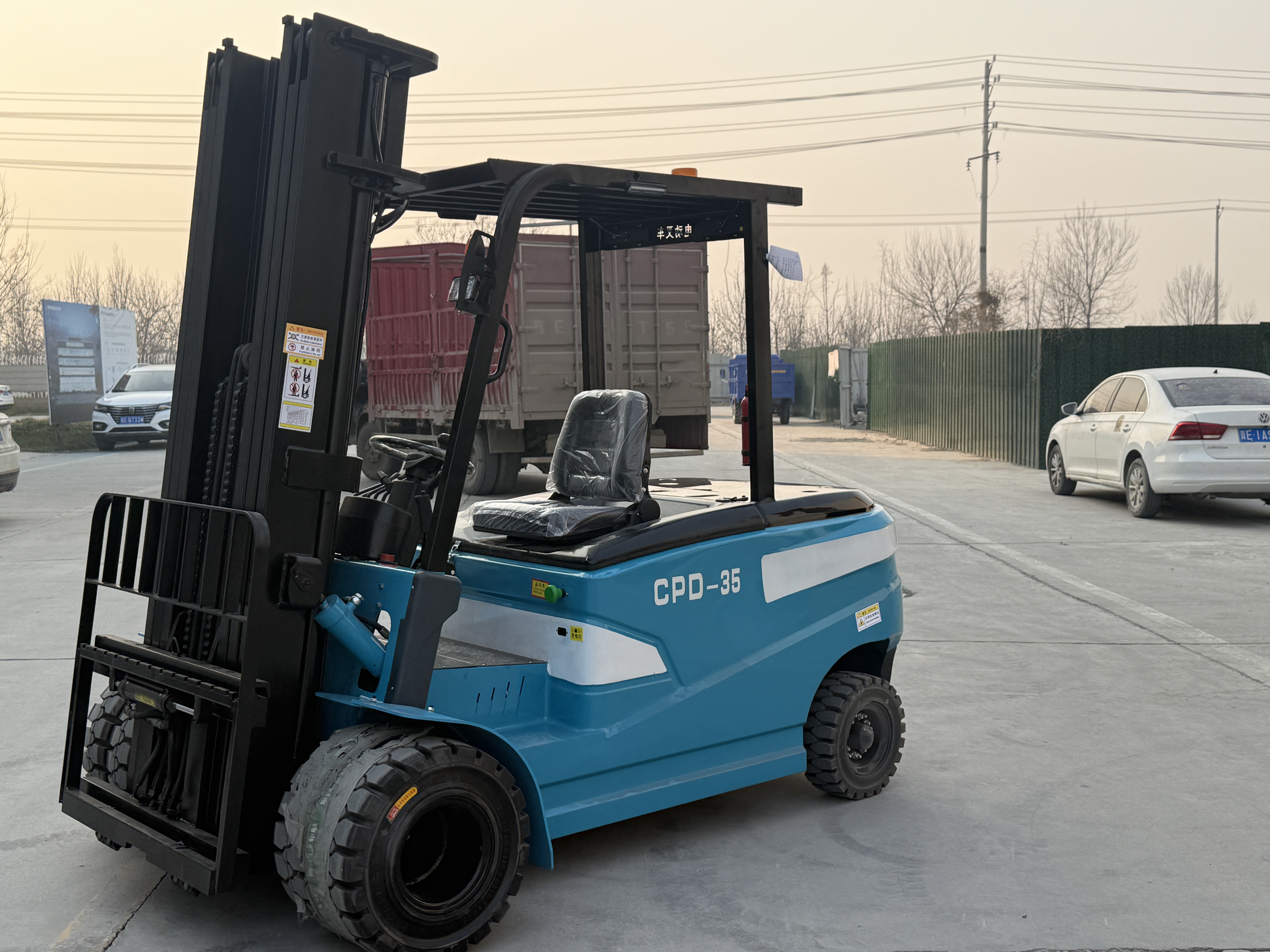
The deciding factor between electric and diesel forklifts is usually the work environment: enclosed buildings and emissions rules push fleets to electric, while rough outdoor yards with no charging infrastructure still favor diesel. Compare running cost, maintenance and duty cycle for your specific site before you commit to a drivetrain.
Emissions and indoor use
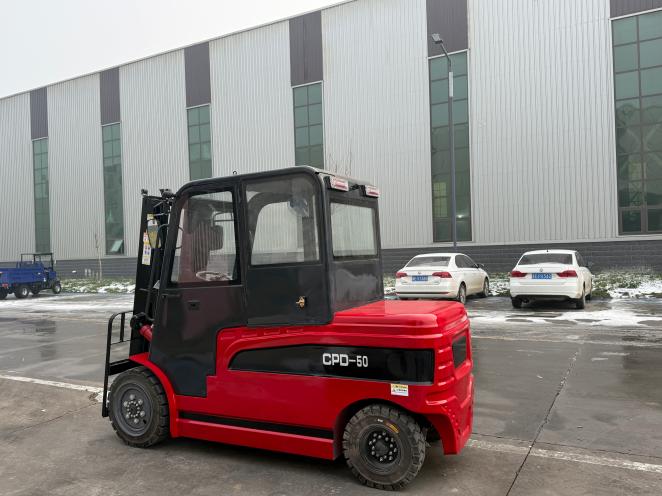
Diesel exhaust contains particulates and CO2, which is why enclosed warehouses, food facilities and cold storage increasingly restrict diesel machines. Electric forklifts produce no exhaust at the point of use, which simplifies ventilation requirements and indoor air compliance.
For US facilities, federal and state rules on indoor air quality vary by jurisdiction. Confirm the requirements for your location with the local authority and your supplier rather than assuming one answer applies everywhere.
Fuel and energy cost per hour
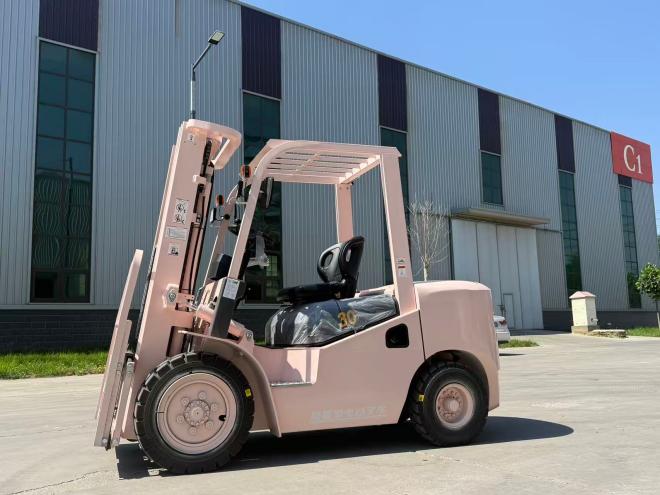
Electricity per operating hour is usually lower than diesel fuel per hour, but the comparison depends on local utility rates and the number of shifts. A single-shift indoor operation usually shows the biggest savings for electric; a three-shift outdoor yard may narrow the gap once charging infrastructure is included.
| Cost driver | Electric | Diesel |
|---|---|---|
| Energy per hour | Lower at typical utility rates | Higher fuel cost per hour |
| Charging/fueling setup | Charging stations needed | On-site fuel storage or delivery |
| Maintenance | Fewer moving parts, no exhaust service | Engine oil, filters, injectors |
| Indoor use | No exhaust at point of use | Restricted in many buildings |
Maintenance profile
Brushless AC electric drives remove brushes, belts and exhaust system service from the routine. Gangchi electric models run 60 V or 80 V brushless AC motors depending on capacity, so the maintenance list is mostly tires, brakes, hydraulics and battery care.
Diesel trucks still have a place where operators need constant refueling in remote yards or very high continuous duty with no grid power. If your site has reliable power and the work is mostly indoors or semi-outdoors, electric removes a meaningful maintenance burden.
Duty cycle and runtime
Electric trucks run a full shift on a charge in most warehouse work, and lithium options support opportunity charging during breaks. Diesel machines keep running as long as fuel is available, which matters for sites that cannot stop for charging.
For heavy continuous work such as a busy lumber yard, compare the runtime of a 5-ton electric forklift against your actual operating hours, including peak season. The same capacity is available in both drivetrains; the question is whether charging fits your schedule.
Frequently asked questions
Are electric forklifts as powerful as diesel models?
Electric forklifts now cover the same capacity range for most warehouse and yard work. Gangchi offers electric models from 1 to 5 tons with brushless AC motors; for extreme continuous outdoor duty, compare runtime and charging before deciding.
How long does it take to charge an electric forklift?
Standard charging takes several hours, while lithium batteries accept faster opportunity charging during breaks. The exact time depends on battery capacity and charger size, so confirm with the supplier for your battery spec.
Can I run an electric forklift outdoors in the rain?
Electric trucks handle normal outdoor use, but heavy rain and deep water call for machines with the right protection rating. State your outdoor conditions when requesting a quote so the supplier can confirm suitability.
Do electric forklifts cost more to buy?
Purchase price is often higher than a comparable diesel model, with lower running and maintenance costs over time. Compare total ownership over five years, not the sticker price alone.
What happens to the battery at end of life?
Lithium and lead-acid batteries have different recycling channels. Ask the supplier for the battery manufacturer and its disposal guidance, and check local requirements for battery disposal in your state.
If your operation is shifting toward electric, start the comparison with capacity and runtime: tell the inquiry team your shift hours, floor type, indoor or outdoor mix and heaviest pallet weight, and request specs for both a 60 V and an 80 V model to see which matches your duty cycle.