
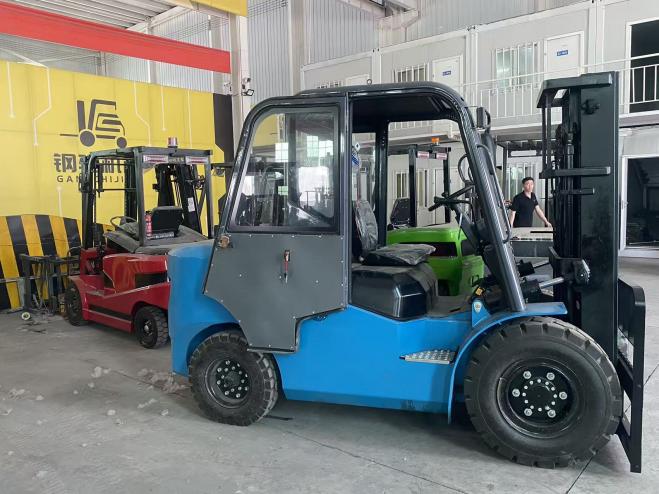
The practical difference between lithium-ion and lead-acid forklift batteries comes down to charging habits: lithium accepts partial charges and runs until the shift ends, while lead-acid needs scheduled charging and watering. Match the battery type to your shift pattern and charging infrastructure before you finalize the truck spec.
Charging and runtime
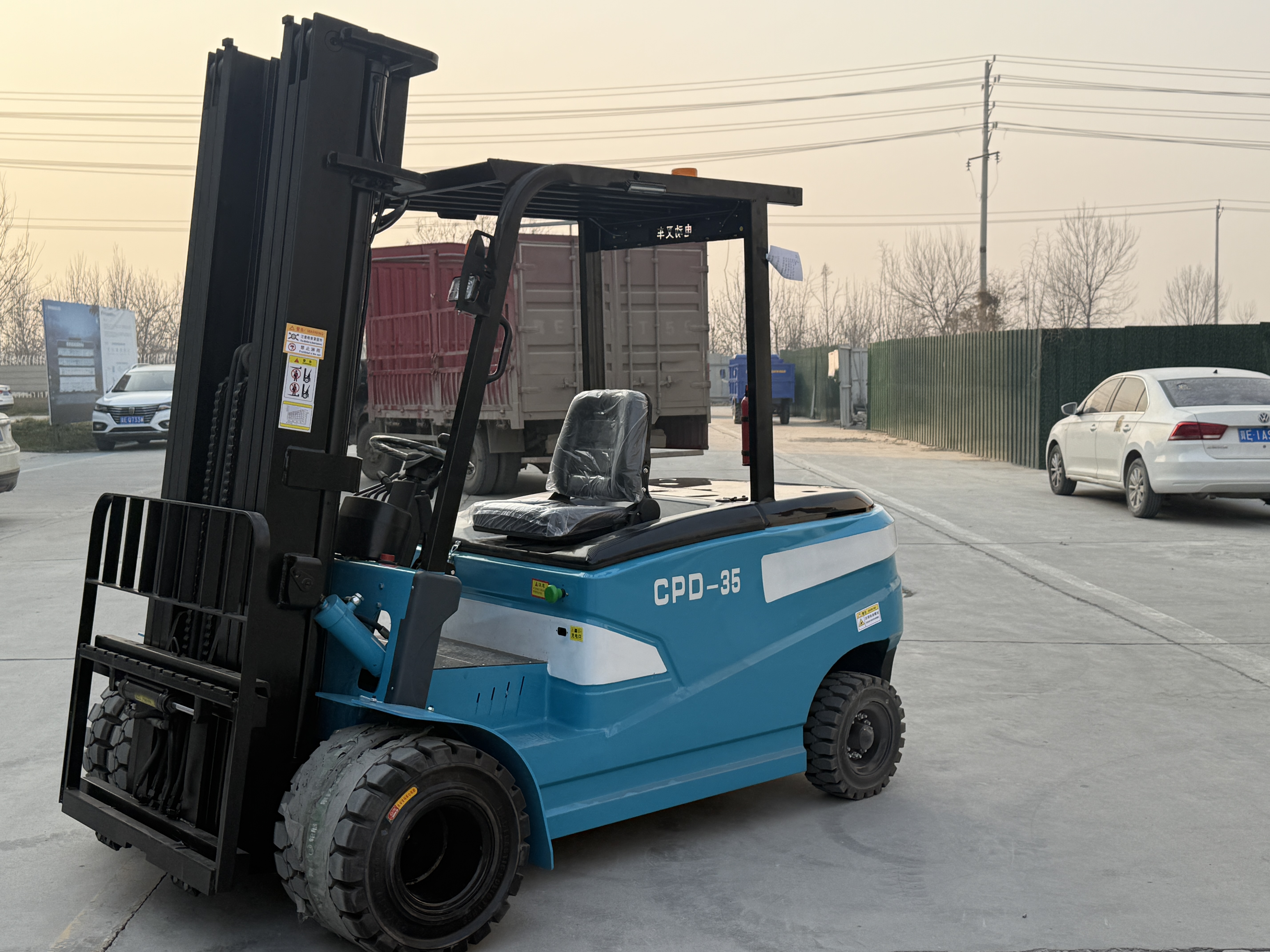
Lead-acid batteries follow an 8-8-8 rhythm in many fleets: eight hours of work, eight hours of charging and cooling, eight hours of rest. Lithium cells accept opportunity charging in breaks, so a two-shift operation can often run fewer trucks.
Gangchi offers models with a 500 AH lithium battery on the 5-ton cast iron counterweight electric forklift, built for long operating windows. For lighter duty, the standard models work with conventional battery options depending on the final specification.
Maintenance and safety routines
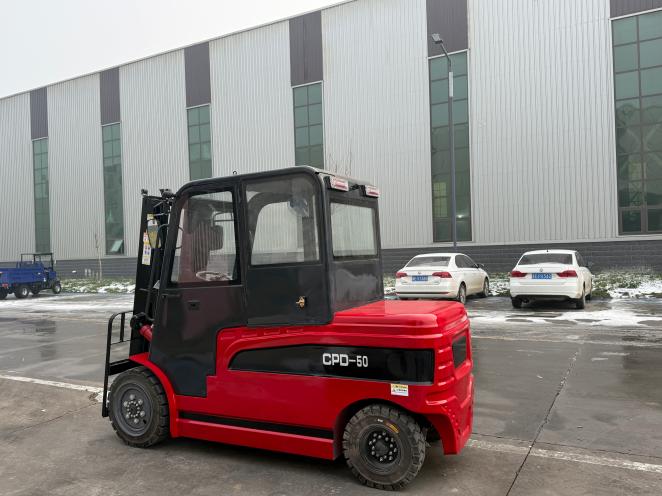
Lead-acid requires weekly watering, terminal cleaning and equalizing charges, plus a dedicated battery room or vented charging area because of hydrogen gas. Lithium packs are sealed, need no watering and can be charged in the operating area under normal conditions.
Ask the supplier for the battery datasheet, charger compatibility and the recommended charging environment for your facility. Warehouse fire codes and insurance requirements can also influence where and how batteries charge, so confirm local rules with your authority having jurisdiction.
| Factor | Lithium-ion | Lead-acid |
|---|---|---|
| Opportunity charging | Yes, partial charges OK | Generally no |
| Watering | None | Weekly |
| Charging area | Can charge near work area | Vented area usually required |
| Runtime per charge | Longer in multi-shift use | Full shift when fully cycled |
| Up-front cost | Higher | Lower |
Total cost over the battery life
Lithium packs cost more up front but typically last more charge cycles and avoid watering labor and battery swapping. Lead-acid is cheaper to buy but the fleet often needs spare batteries and a battery change schedule for multi-shift work.
Build a five-year cost line that includes the battery, the charger, watering labor, spare batteries and disposal. For many multi-shift warehouses the lithium total lands lower; for a single-shift operation lead-acid can remain the economical choice.
Cold storage and temperature
Both chemistries lose performance in cold environments, and charging below freezing is restricted for lithium unless the battery has built-in heating. Cold storage buyers should state the operating temperature and check the battery's low-temperature charging spec with the supplier.
Frequently asked questions
Can I charge a lithium forklift battery during a lunch break?
Yes, that is the main advantage of lithium. Partial charges do not harm the cells, so the truck gains runtime between shifts without a battery swap.
Do lead-acid batteries need a special charging room?
Most facilities use a vented charging area because charging releases hydrogen gas. Confirm the requirement with your local fire authority and the battery manufacturer's guidance.
How long does a lithium battery last?
Manufacturers typically rate lithium packs for thousands of charge cycles. Actual life depends on depth of discharge and temperature, so ask the supplier for the cycle rating of the specific pack.
Can I retrofit lithium into an existing forklift?
Retrofit is possible on some models but depends on the battery compartment, voltage and charger. Confirm compatibility with the truck manufacturer before buying a replacement pack.
Which battery is better for a single-shift warehouse?
Lead-acid often wins on up-front cost for a clean single shift. If you expect growth to two shifts, plan the lithium option now because the charging infrastructure differs.
Send the inquiry team your shift pattern, operating temperature and charger layout, and request the battery spec for the model you are considering so the chemistry matches how you actually run the fleet.